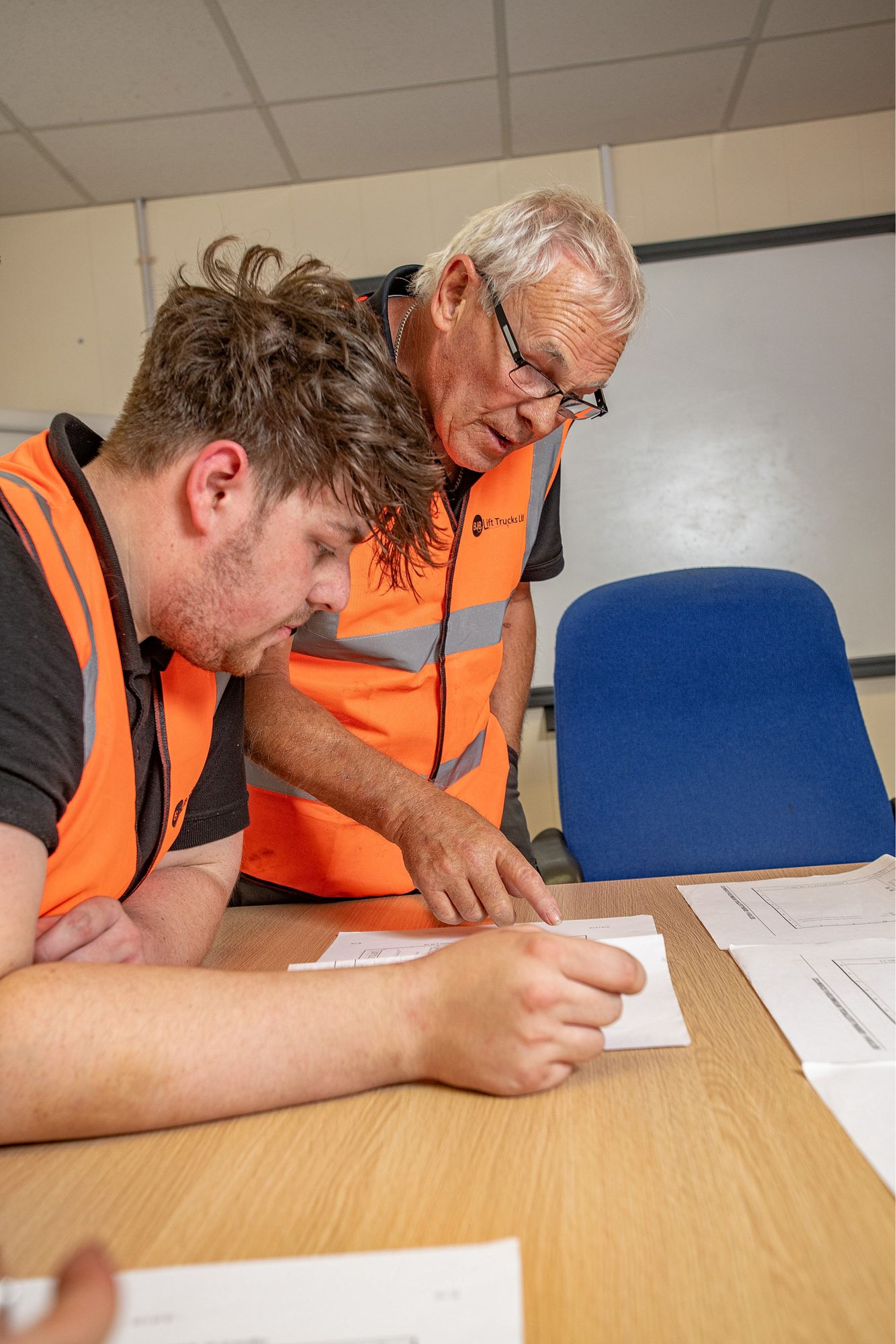
IPAF, PASMA and RTITB courses
With over 25 years experience in providing accredited material handling equipment training, BJB Lift Trucks clients benefit from courses delivered to the highest standard.
With the ability to provide IPAF, PASMA and RTITB accredited courses;
BJB Lift Trucks is the solution for all your individual and corporate training
requirements.
Our experience and involvement with the renewables, petrochemical, food processing, construction, transport and warehousing industries has enabled our training instructors to become familiar with a wide variety of common place and specialised plant machinery.

“Knowledgeable and Painless”
I did a counterbalance refresher course here, instructor was knowledgeable and the experience was painless. Would recommend.
Expertise and commitment
BJB Lift Trucks has a team of fully qualified instructors providing thorough forklift training, plus a wide range of mobile plant equipment, engineering and workplace-related courses, either in our bespoke Operator Training Centre or at client’s premises nationwide.
With courses available for operators with no formal experience, through to certificated operators requiring refresher training or wishing to convert to a different type of machine, BJB have the expertise and commitment to meet customer needs.
Flexible training hours
We can also offer training out of normal office hours to cater for continuous process environments.
In addition to our own highly experienced team, we have strong partnerships with associate companies, which enable BJB Lift Trucks to offer clients an extended range of accredited courses, including First Aid, IOSH, Occupational Health and HABC
Meeting codes of practice
BJB Lift Trucks can offer cost effective solutions to ensure that employers fulfil their responsibilities outlined in:
- The Health and Safety at work etc. act 1974.
- HSE Approved Code of Practice (Rider Operated Lift Trucks; Operator Training ACOP L117)
- Provision of Use of Work Equipment Regulations 1998 (PUWER)
- Lifting Operations and Lifting Equipment Regulations 1998 (LOLER)
- Safety in Working with Lift Trucks (HS-G 6)
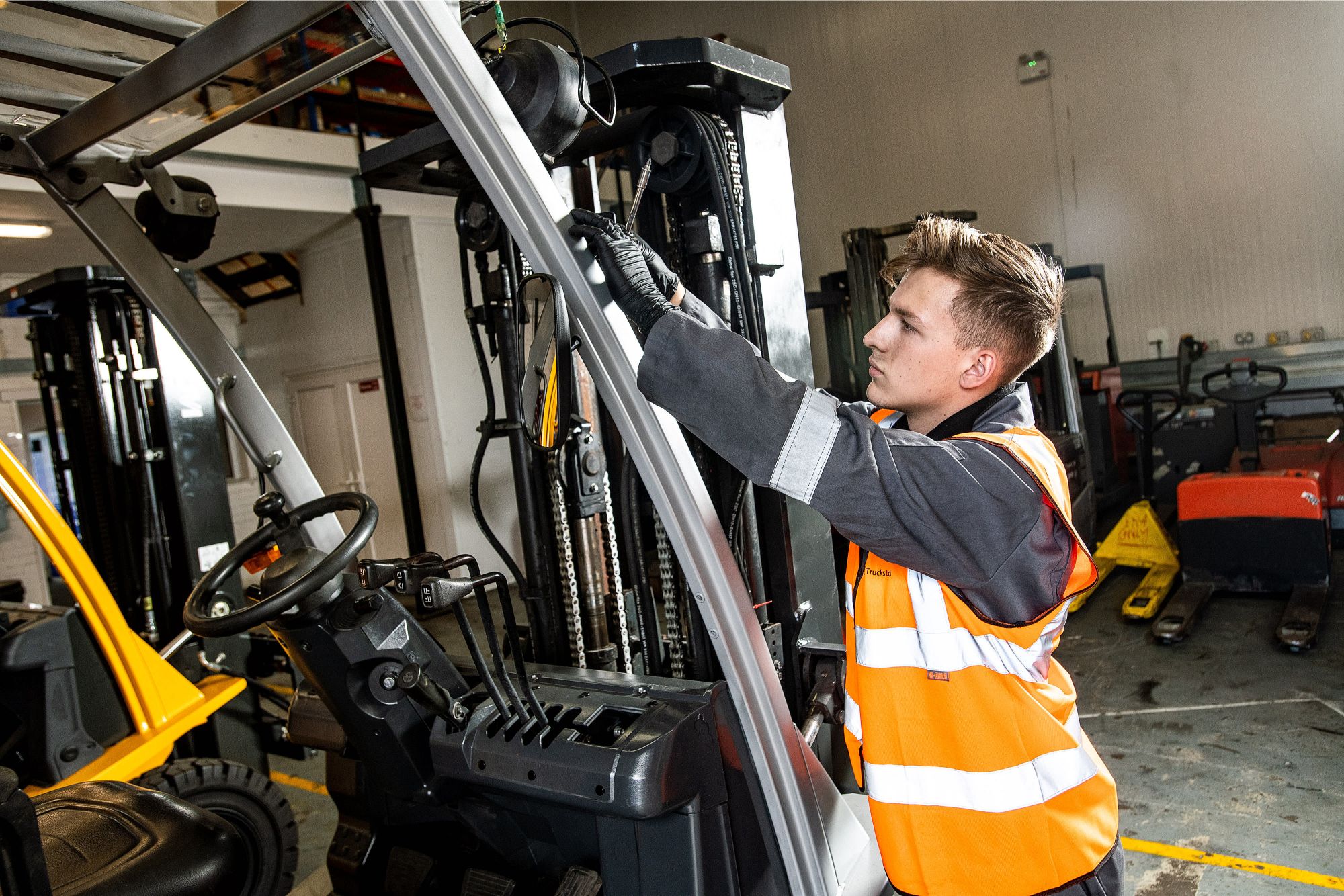
Training at your site or ours
Conducting lift truck courses and training on other types of mechanical handling equipment at the customer’s premises is an option available to all our commercial clients. This option is based on the assumption that clients can provide a practical training area and an indoor space for classroom purposes.
As the region’s largest forklift training provider, we can also offer our private and corporate clients a purpose-built training facility at BJB Lift Trucks which is equipped with plant machinery, designated training areas and spacious classroom environments.
Why train at your own site
- Using operators that are trained in an environment and use equipment they are familiar with.
- Offering potential improvements in operator performance and productivity.
- If required, instructors can highlight site specific safety and operational considerations that may help reduce risk, reduce accidents, reduce damage to equipment, reduce damage to stock and
generally promote best practice methods of operation. - Minimising staff absence from the work environment.
Training should be at the top of any employer’s list.
Accidents involving forklift trucks and other plant equipment still occur frequently, with many leading to serious injury and, in some cases, fatalities.
All companies that operate Health and Safety and Risk Assessment policies are legally obliged to ensure their staff receives the appropriate training.
With courses available for operators with no formal experience, through to certificated operators requiring refresher training or wishing to convert to a different type of machine, BJB have the expertise and commitment to meet customer needs.
Caring for staff and their welfare
Employers responsibilities under section 2 of HASAWA state that employers must, so far as is reasonably practicable;
- Ensure the health, safety and welfare of their employees.
- Provide and maintain safe plant and safe systems of work.
- Ensure the safe handling storage and transportation of articles and substances.
- Provide information, instruction, training and supervision.